
Many people believe that the soreness they feel after a workout is a sign of progress and muscle growth. But is this really the case? Do you have to be sore to gain muscle? Let's take a closer look at this common misconception.
What Causes Muscle Soreness?

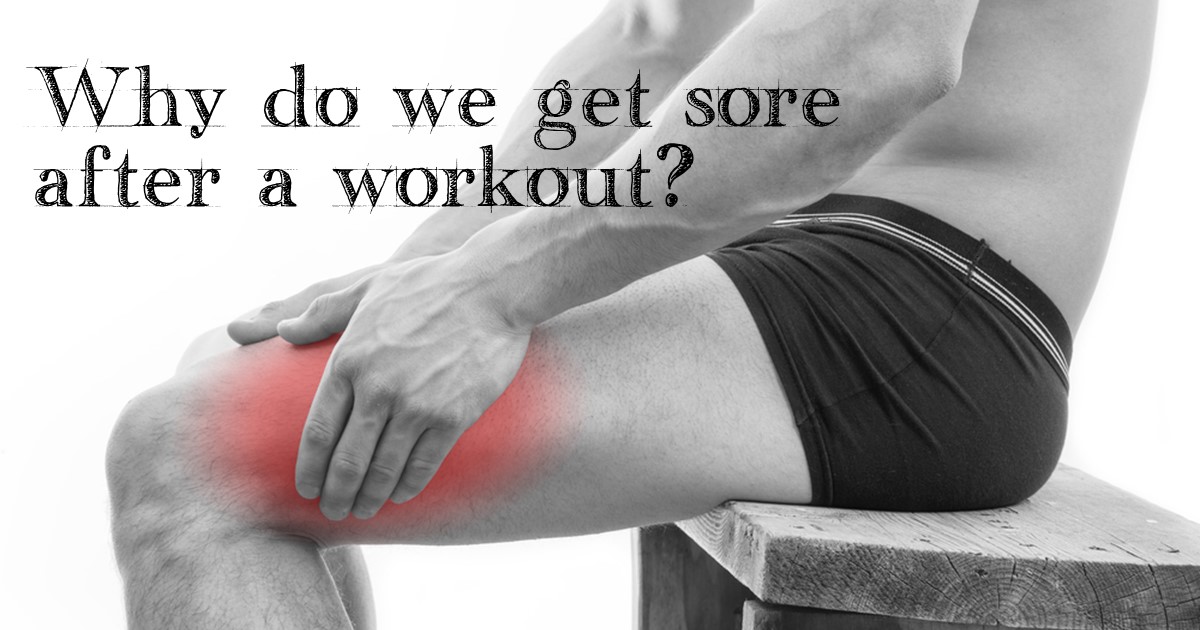
First, it's important to understand what causes muscle soreness. This sensation, also known as delayed onset muscle soreness (DOMS), occurs when you engage in physical activity that your muscles aren't used to. This can cause small tears in your muscle fibers, which can lead to inflammation and soreness.
DOMS usually peaks 24-48 hours after a workout and can last for several days. It's most commonly felt when you start a new exercise program or increase the intensity of your workouts.
Does Soreness Indicate Muscle Growth?
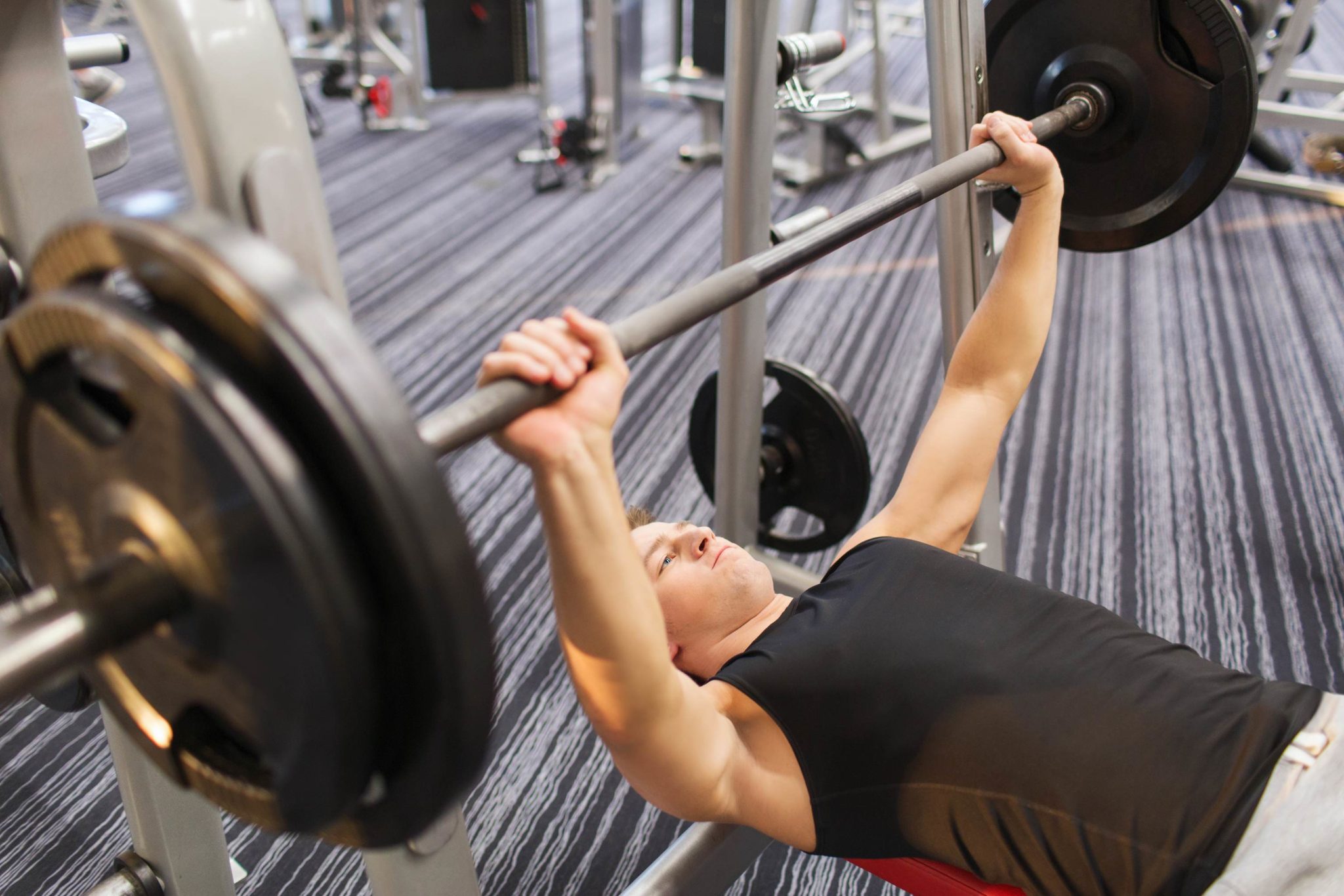
While soreness can be a sign that you've challenged your muscles, it's not necessarily an indication of muscle growth. In fact, research has shown that muscle soreness doesn't always correlate with muscle hypertrophy (growth).
It's possible to build muscle without ever feeling sore, and it's also possible to feel sore without building much muscle. So, while soreness can be a sign that you're pushing your limits, it's not a reliable indicator of progress.
What Really Causes Muscle Growth?
So, if soreness isn't the key to muscle growth, what is? The answer is progressive overload. This means gradually increasing the stress you place on your muscles over time.
When you lift weights, your muscles adapt to the stress by getting stronger and bigger. But if you continue to lift the same weight for the same number of reps, your muscles will eventually adapt and stop growing.
By gradually increasing the weight, reps, or sets you do, you're forcing your muscles to continue adapting and growing. This is the key to building muscle, not soreness.
Should You Avoid Soreness?

While soreness isn't necessary for muscle growth, it's also not something you need to avoid. In fact, some people enjoy the feeling of soreness because it makes them feel like they've accomplished something.
However, it's important to listen to your body and not push yourself too hard. If you're consistently feeling extremely sore after your workouts, it could be a sign that you're overtraining and not allowing enough time for recovery.
Conclusion
In summary, soreness is not a reliable indicator of muscle growth. While it can be a sign that you've challenged your muscles, it's not necessary for building muscle. The key to muscle growth is progressive overload, which means gradually increasing the stress you place on your muscles over time.
So, don't worry too much about being sore after your workouts. Instead, focus on gradually increasing the weight, reps, or sets you do and giving your muscles enough time to rest and recover.
